Free Worldwide Shipping

30% Discount for you

Tax Free Shopping

20,000+ Satisfied Customers
Free shipping across India on orders above 1000/-

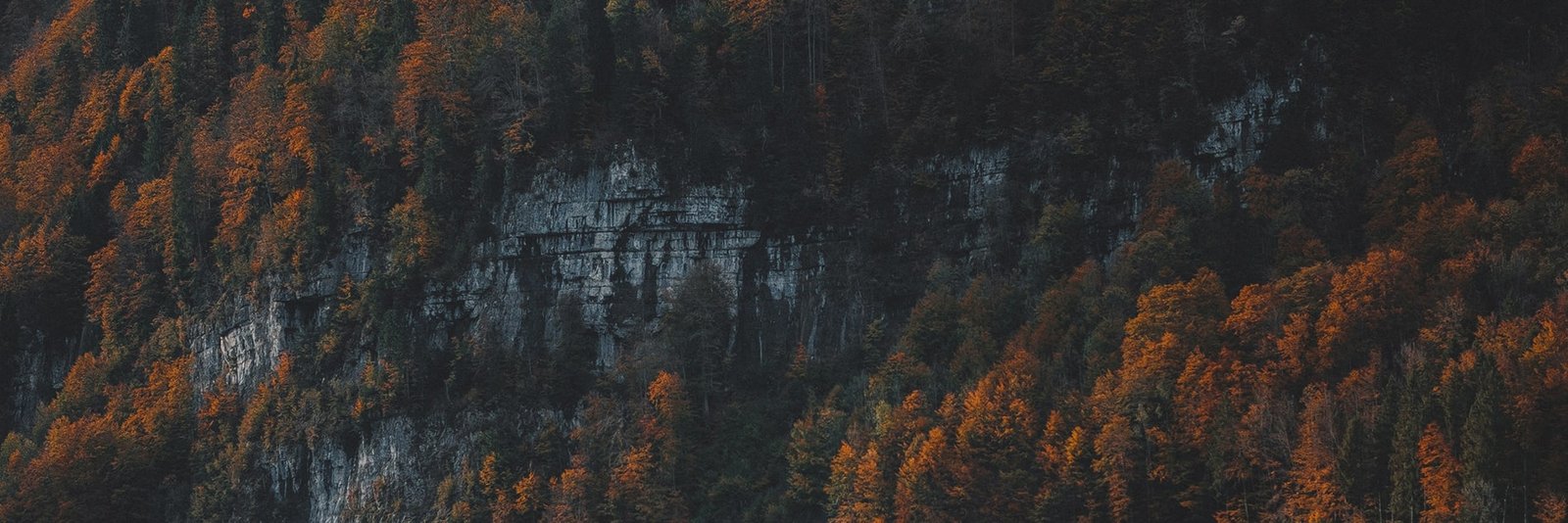
You know, it’s funny how the world keeps speeding up, isn’t it? Every day there’s a new app, a new gadget, a new way to cram more into less time. And while I appreciate efficiency as much as the next person, sometimes I just want to hit the pause button. I’ve been thinking a lot lately about this concept of “slow travel.” It’s not about being lazy or unproductive, far from it. It’s more about a conscious decision to trade the whirlwind of ticking off landmarks for a deeper, more meaningful engagement with a place and its culture. Instead of seeing five cities in a week, maybe it’s one city for a week, or even just a single, well-chosen town or region for an extended stay. It’s about savoring the moments, not just collecting them.
This shift in perspective, I think, really hit home for me a couple of years ago. I was planning a trip, and the usual itinerary was forming in my head: fly in, hit the major sights, grab a quick bite, move on. But then I stumbled across this gem of a place, a little coastal town that promised a more relaxed pace. It wasn’t about the adrenaline rush of a packed schedule; it was about the quiet charm of local life. I ended up booking a stay at www.hotel-jomfruane.com, and honestly, it changed how I approach travel. The focus wasn’t on rushing from one attraction to the next, but on settling in, breathing deep, and actually *experiencing* the surroundings. It was a revelation, and it’s made me question the whole “more is more” mentality when it comes to vacations.
Think about it: when you’re rushing from point A to point B, how much do you actually absorb? You’re often confined to tourist bubbles, rushing past local life without really seeing it. Slow travel, on the other hand, encourages you to peel back those layers. It’s about finding that cozy cafe where the barista remembers your order, or stumbling upon a local market that’s buzzing with activity, or simply sitting by the harbor and watching the world go by. It’s in these unscripted moments that you truly connect with a place. You start to understand the rhythm of daily life, the nuances of the local dialect, the history etched into the cobblestone streets. It’s less about seeing *everything* and more about seeing *something* deeply. This often means choosing accommodations that feel more like a home away from home, places that have character and offer a genuine connection to the local environment. I’ve found that these experiences, the ones that unfold organically, are the ones that stick with you long after you’ve unpacked. They’re the stories you tell, not just the photos you post.
I’ve always been a bit of a planner, I’ll admit. I used to thrive on those meticulously crafted itineraries, the ones that had every minute accounted for. But there’s a certain liberation that comes with letting go of that rigid structure. It’s about allowing for spontaneity, for serendipity. Maybe you planned to visit a museum, but you end up spending an entire afternoon chatting with a local fisherman about his day. Or perhaps you intended to hike a specific trail, but you discover a hidden cove that captures your heart and becomes your sanctuary for the rest of your trip. These detours, these unplanned moments, are often the most rewarding. They’re the happy accidents that transform a good trip into an unforgettable one. It’s about being present, about engaging all your senses, and about letting the destination reveal itself to you at its own pace. This doesn’t mean you can’t have a plan at all, of course. But it means being flexible and open to what the journey might offer beyond the guidebook’s suggestions.
So, how do you actually embrace slow travel? It’s not as daunting as it might seem. Firstly, reconsider your destination choices. Instead of aiming for a continent-spanning odyssey, focus on a single region or even a small town. Give yourself permission to stay put. Look for accommodations that offer a sense of place, something that reflects the local culture and provides a comfortable base for exploration. Think about what you want to *do* there. Do you want to learn a new skill, like cooking or a craft? Are you interested in exploring the natural landscape through walking or cycling? Or perhaps you just want to immerse yourself in the local arts and culinary scene. Prioritize quality over quantity. Instead of trying to see ten historical sites, pick one or two that truly resonate with you and spend ample time there. Visit them during off-peak hours if possible, and really take the time to read the information, observe the details, and reflect on their significance.
Another key aspect is how you get around. While flying is often necessary for long distances, once you’re at your destination, opt for slower, more immersive modes of transport. Trains, ferries, bicycles, or even just walking can offer a completely different perspective than a car or a bus. You see more, you hear more, and you’re more likely to interact with locals. Embrace the local public transport system; it’s often an adventure in itself and a fantastic way to observe daily life. And don’t forget the power of simply being still. Find a park bench, a quiet corner in a cafe, or a scenic viewpoint and just watch. Observe the people, the architecture, the natural environment. Let your mind wander. This is where unexpected insights and true relaxation often occur. It’s a radical idea in our hyper-connected world, I know, but deliberately disconnecting, even for short periods, can be incredibly rejuvenating. Leave the constant urge to document everything behind for a little while and just *be* there.
No account yet?
Create an Account